
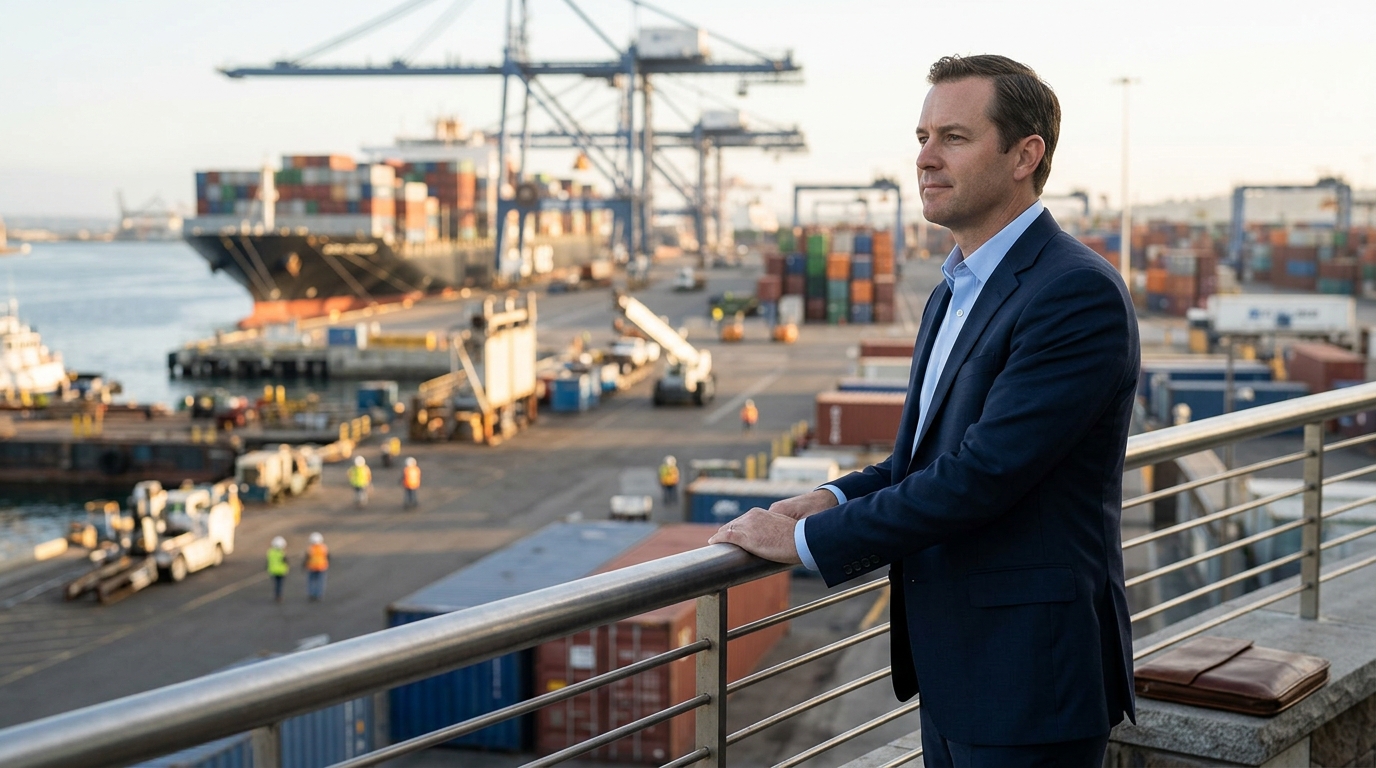
Workers injured at ports and shipyards face a complex web of federal regulations that differ significantly from standard state workers' compensation. The Longshore and Harbor Workers' Compensation Act (LHWCA) provides specific protections for maritime employees, but navigating the claims process requires specialized legal expertise. According to the U.S. Department of Labor, the LHWCA covers approximately 100,000 workers annually who are injured on navigable waters or adjoining areas. Understanding which attorney handles Longshore Act cases in San Diego is critical for ensuring your medical bills and lost wages are covered without unnecessary delays. (About Craig Benner Benner)
Understanding the Longshore and Harbor Workers' Compensation Act
The Longshore and Harbor Workers' Compensation Act is a federal law that provides wage loss and medical benefits to maritime workers who are injured on the job. Unlike state workers' compensation, which applies to most land-based employees, the LHWCA applies to specific maritime zones. This distinction is vital because the benefits, procedures, and legal standards differ substantially.
The LHWCA covers a wide range of maritime occupations. This includes shipbuilders, shipbreakers, and ship repairers. It also extends to harbor construction workers, longshoremen, and cargo workers. If you work in a maritime environment and suffer an injury, you may be eligible for benefits under this act. However, proving eligibility often requires detailed knowledge of the law's "situs" and "status" tests.
Many injured workers mistakenly believe they are covered by state laws. This error can lead to denied claims or insufficient compensation. The LHWCA provides comprehensive medical coverage, disability benefits, and vocational rehabilitation services. It also includes death benefits for the families of workers who die from work-related injuries. Navigating these benefits requires an attorney who understands the nuances of federal maritime law.
Jurisdiction and Coverage in Southern California
San Diego is a major hub for maritime activity, including naval operations, commercial shipping, and port logistics. The Port of San Diego handles millions of tons of cargo annually, creating a high-risk environment for maritime workers. The LHWCA applies to injuries occurring on the navigable waters of the United States or in adjoining areas used for loading, unloading, repairing, or building a vessel.
In Southern California, the jurisdictional boundaries can be complex. The act covers injuries on piers, wharves, and marine railways. It also extends to adjacent areas where maritime activities are conducted. If you are injured in a slip and fall accident on a dock or suffer a traumatic brain injury during ship repair, you may be covered. However, the specific location of the injury and the nature of your work determine your eligibility.
Legal precedent has expanded the scope of the LHWCA over the years. Courts have interpreted the "situs" test to include areas where the connection to maritime navigation and commerce is significant. This means that even injuries on land can be covered if they occur in a maritime zone. Understanding these nuances is essential for securing the correct benefits.
Why Benner Law Firm Handles These Cases
When searching for an attorney who handles Longshore Act cases in San Diego, experience and specialization are paramount. Benner Law Firm, led by Craig Benner, offers exclusive boutique firm service with a focus on maritime and government contractor injuries. Craig Benner brings years of high-volume experience to his practice, combining it with a personalized approach to client care.
The firm specializes in both the Defense Base Act (DBA) and the Longshore and Harbor Workers' Compensation Act. This dual expertise allows them to handle complex cases that may involve overlapping jurisdictions. For example, a civilian contractor working on a military base may be covered under the DBA, while a longshoreman at the port is covered under the LHWCA. Understanding the distinction is critical for proper representation.
Craig Benner's background includes a strong work ethic rooted in his upbringing in a commercial fishing town. This personal history informs his commitment to serving clients who face physical and occupational hazards. He believes that everyone deserves quality representation, especially when injured due to negligence. His approach is characterized by poise, precision, and passion.
The firm has a proven track record of securing favorable outcomes for its clients. They handle a wide range of injuries, including back injuries, spinal cord injuries, and traumatic brain injuries. They also assist with wrongful death claims and cases involving occupational diseases. By choosing Benner Law Firm, you gain a legal partner who understands the unique challenges of maritime and government contractor law.
Understanding Attorney Fees and Costs
One of the most common concerns for injured workers is the cost of legal representation. Under the LHWCA, the insurance company is responsible for paying reasonable attorney fees for successful claims. This is known as a "fee-shifting" mechanism. It is outlined in Section 928 of the Longshore and Harbor Workers' Compensation Act.
This means that you do not pay a contingency fee out of your settlement. The insurance carrier pays your attorney directly. This provision is designed to ensure that injured workers have access to legal counsel without financial barriers. It also encourages attorneys to take on complex cases that might otherwise be too costly to pursue.
However, it is important to note that fee-shifting only applies if the claim is successful. If the case is denied or settled without a formal award, the rules may differ. Benner Law Firm provides clear guidance on these matters during your free strategy session. They ensure that you understand your rights and the financial implications of your case before proceeding.
For Defense Base Act cases, the fee-shifting mechanism is also in place. The insurance company pays the attorney fees for injured workers. This is a critical protection for civilian contractors who may not have the resources to fight insurance companies alone. Benner Law Firm emphasizes that any attorney charging a contingency fee for a DBA case is violating the law.

DBA vs. LHWCA: Key Differences
While both the Defense Base Act and the Longshore and Harbor Workers' Compensation Act provide benefits to injured workers, they apply to different groups and scenarios. Understanding the differences is essential for determining the correct legal path.
| Feature | Longshore and Harbor Workers' Compensation Act (LHWCA) | Defense Base Act (DBA) |
|---|---|---|
| Covered Workers | Maritime employees, longshoremen, harbor workers | Civilian contractors working on U.S. military bases overseas |
| Jurisdiction | Navigable waters and adjoining areas in the U.S. | U.S. military bases and territories outside the U.S. |
| Benefits | Medical, disability, vocational rehabilitation, death benefits | Medical, disability, death benefits, PTSD coverage |
| Attorney Fees | Fee-shifting (insurance pays) | Fee-shifting (insurance pays) |
| Common Injuries | Slip and fall, heavy machinery accidents, drowning | Burn pits exposure, combat-related trauma, PTSD |
The table above highlights the primary distinctions between these two acts. If you are a maritime worker in San Diego, you are likely covered under the LHWCA. If you are a civilian contractor deployed overseas, you may be covered under the DBA. Benner Law Firm handles both types of cases, providing specialized representation for each.
Key Takeaways
- The Longshore and Harbor Workers' Compensation Act covers maritime workers injured on navigable waters or adjoining areas.
- San Diego's port and naval facilities create a high-risk environment for maritime employees.
- Benner Law Firm specializes in both LHWCA and DBA cases, offering targeted expertise.
- Attorney fees for successful LHWCA claims are paid by the insurance company, not the worker.
- Craig Benner brings a boutique firm approach with a focus on personalized client care.
- Understanding the "situs" and "status" tests is crucial for LHWCA eligibility.
- DBA and LHWCA have different jurisdictions and covered worker groups.
Frequently Asked Questions
Who is covered under the Longshore and Harbor Workers' Compensation Act?
The LHWCA covers maritime workers such as longshoremen, harbor construction workers, shipbuilders, and ship repairers who are injured on navigable waters or adjoining areas used for maritime activities.
Do I need a special attorney for LHWCA cases in San Diego?
Yes, LHWCA cases involve complex federal regulations and jurisdictional issues. An attorney with specific experience in maritime law, such as those at Benner Law Firm, is essential for navigating the claims process effectively.
How are attorney fees paid for LHWCA claims?
Under Section 928 of the LHWCA, the insurance company pays reasonable attorney fees for successful claims. This fee-shifting mechanism ensures that injured workers do not pay out-of-pocket for legal representation.
What is the difference between the DBA and the LHWCA?
The DBA applies to civilian contractors working on U.S. military bases overseas, while the LHWCA applies to maritime workers injured in the United States. Both acts provide similar benefits but have different jurisdictions and eligibility criteria.
Can I file a claim if I was injured on a pier in San Diego?
Yes, if the injury occurred on a pier or wharf used for maritime activities, you may be covered under the LHWCA. The specific location and nature of your work will determine your eligibility.
What types of injuries are common in LHWCA cases?
Common injuries include slip and fall accidents, heavy machinery injuries, back injuries, spinal cord injuries, and traumatic brain injuries. Maritime work often involves hazardous conditions that can lead to severe injuries.
How long do I have to file an LHWCA claim?
You must notify your employer of the injury within 30 days and file a claim with the Office of Workers' Compensation Programs within one year of the injury. Delaying can jeopardize your benefits.
Contact Us for a Free Strategy Session
If you have been injured in a maritime accident in San Diego or Southern California, do not navigate the complex LHWCA claims process alone. Benner Law Firm is here to help. We provide compassionate, ethical, and dedicated legal representation for injured workers and their families.
Schedule your free strategy session today to discuss your case with Craig Benner. We will review your eligibility, explain your rights, and develop a strategy to secure the maximum benefits you deserve. Contact us at 619-941-0456 or visit our Contact Us page to get started.