
Which Attorney Handles Longshore Act Cases in San Diego?
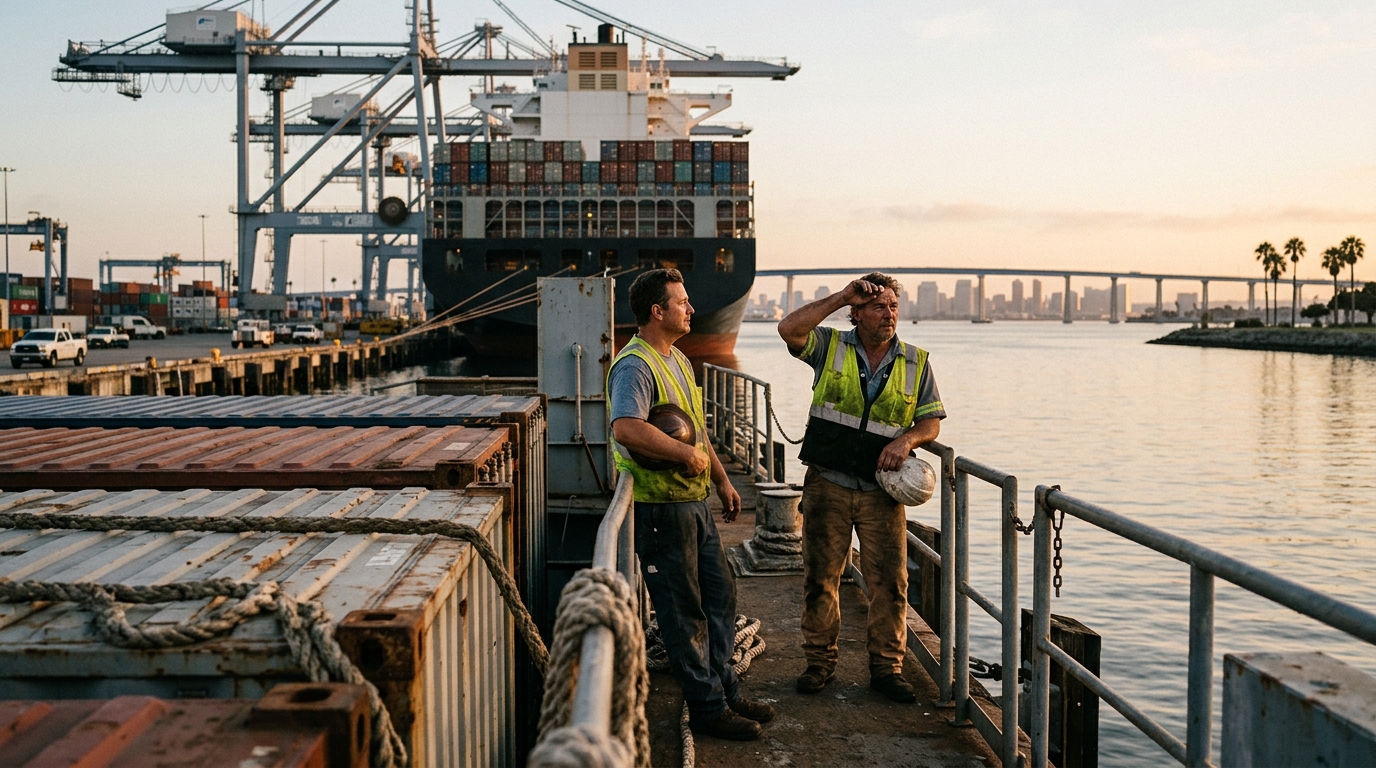
Maritime workers in Southern California face unique legal challenges that standard personal injury laws do not cover. If you have been injured while working on navigable waters, you may be protected under the Longshore and Harbor Workers' Compensation Act. This federal statute provides specific benefits for injured maritime employees, but navigating the claims process requires specialized legal expertise. According to the U.S. Department of Labor, the Longshore Act covers a wide range of maritime occupations, including shipbuilders, repairers, and harbor workers. Understanding who handles these complex cases is the first step toward securing the compensation you deserve. (San Diego DBA amp)
Understanding the Longshore and Harbor Workers' Compensation Act
The Longshore and Harbor Workers' Compensation Act (LHWCA) is a federal law that provides wage loss and medical benefits to maritime workers who are injured on the job. Unlike state workers' compensation laws, which apply to land-based employees, the LHWCA applies to workers on navigable waters of the United States. The Department of Labor administers this act to ensure that workers receive timely and appropriate benefits.
Longshore Act is a federal statute designed to protect maritime workers from the financial burdens of workplace injuries. It provides medical care, disability benefits, and vocational rehabilitation services. However, the process for filing a claim is distinct from standard personal injury lawsuits. Insurance companies often attempt to minimize payouts, making legal representation critical.
Who Is Covered Under the Longshore Act?
Determining whether you are covered under the Longshore Act depends on two main factors: your situs (location) and your status (nature of your work). The situs test requires that the injury occur on navigable waters or adjacent areas such as piers, wharves, and dry docks. The status test requires that your job involve maritime employment, such as loading, unloading, or repairing vessels.
Longshore Act coverage extends to a variety of maritime professions. These include shipbuilders, shipbreakers, harbor construction workers, and longshoremen. If you work in a maritime environment and suffer an injury, you may be eligible for benefits. However, the distinction between LHWCA coverage and other maritime laws, such as the Jones Act, can be complex. A qualified attorney can help determine which law applies to your specific situation.
Why Benner Law Firm Handles Longshore Cases
Benner Law Firm specializes in complex maritime and government contractor claims. The firm understands the intricacies of the Longshore Act and the Defense Base Act. Craig Benner, the principal attorney, has extensive experience handling cases involving injured maritime workers. The firm's approach combines high-volume legal experience with boutique-level client service.
When you work with Benner Law Firm, you gain a legal team that understands the unique challenges of maritime claims. The firm has successfully handled cases involving spinal cord injuries, traumatic brain injuries, and other catastrophic damages. Their expertise ensures that clients receive the maximum benefits available under the law. For more information on their services, visit the About Us page.
Attorney Craig Benner's Expertise
Craig Benner is a dedicated attorney who focuses on protecting the rights of injured workers. His background in commercial fishing gave him a deep appreciation for the risks associated with maritime work. This personal experience drives his commitment to providing compassionate and effective legal representation.
Attorney Craig Benner is known for his meticulous approach to case preparation. He understands that every claim is unique and requires a tailored strategy. His goal is to ensure that clients receive the full compensation they are entitled to under the Longshore Act. The firm's Case Results demonstrate their ability to secure favorable outcomes for clients.
The Longshore Claims Process
Filing a Longshore Act claim involves several steps. First, you must report your injury to your employer immediately. Next, you must seek medical attention and ensure that your employer files the necessary paperwork with the Office of Workers' Compensation Programs (OWCP). If your claim is denied or you are offered an inadequate settlement, you have the right to appeal.
The appeals process can be complex and requires legal expertise. You may need to attend a hearing before a District Director or an Administrative Law Judge. Benner Law Firm can guide you through every step of this process. The firm also handles cases involving Longshore and Harbor Workers who have suffered severe injuries.
| Claim Stage | Description | Benner Law Firm Support |
|---|---|---|
| Initial Report | Reporting injury to employer and seeking medical care. | Guidance on proper documentation and timelines. |
| Claim Filing | Submitting Form LS-203 to the OWCP. | Assistance with form completion and submission. |
| Dispute Resolution | Appealing denied claims or inadequate settlements. | Representation at hearings and negotiations. |
| Settlement | Negotiating a final settlement agreement. | Ensuring fair compensation for all damages. |
Key Takeaways
- The Longshore and Harbor Workers' Compensation Act provides federal benefits to maritime workers injured on navigable waters.
- Coverage depends on both the location of the injury and the nature of the worker's maritime employment.
- Benner Law Firm specializes in complex maritime and government contractor claims, including Longshore Act cases.
- Attorney Craig Benner brings a unique perspective to maritime law, driven by his background in commercial fishing.
- The claims process can be complex, often requiring appeals and legal representation to secure fair benefits.
- Benner Law Firm offers a free strategy session to discuss your case and explore your legal options.
- Proper documentation and timely reporting are critical for a successful Longshore Act claim.
Frequently Asked Questions
Who is eligible for Longshore Act benefits?
Eligibility depends on your job duties and the location of your injury. Generally, maritime workers who are injured on navigable waters or adjacent areas like piers and wharves are covered.
What benefits does the Longshore Act provide?
The Longshore Act provides medical care, disability benefits, and vocational rehabilitation services to injured workers and their dependents in case of death.
How long do I have to file a Longshore Act claim?
You must report your injury to your employer within seven days and file a claim with the Office of Workers' Compensation Programs within one year of the injury.
Can I sue my employer under the Longshore Act?
Generally, no. The Longshore Act is a no-fault compensation system. However, you may be able to sue third parties, such as equipment manufacturers, for negligence.
Does Benner Law Firm handle Longshore Act cases?
Yes, Benner Law Firm has extensive experience handling Longshore Act cases and other maritime injury claims in San Diego and Southern California.
What is the difference between the Longshore Act and the Jones Act?
The Longshore Act covers land-based maritime workers, while the Jones Act covers seamen who spend a significant portion of their time on vessels. The legal standards and benefits differ significantly.
How much does it cost to hire an attorney for a Longshore Act claim?
Benner Law Firm typically works on a contingency fee basis for personal injury cases, meaning you do not pay unless we recover compensation. For Longshore Act claims, attorney fees are often paid by the insurance company under specific statutory provisions.
Contact Benner Law Firm
If you have been injured while working in a maritime environment, do not face the insurance companies alone. Benner Law Firm is ready to help you navigate the complexities of the Longshore Act. Contact us today to schedule a free strategy session and learn how we can protect your rights. Visit our Contact Us page to get started.