

Which Attorney Handles Longshore Act Cases in San Diego or Southern California?
Maritime workers in Southern California face unique legal challenges that standard personal injury laws simply do not cover. If you have been injured while working on navigable waters, you may be protected under the Jones Act or the Longshore and Harbor Workers' Compensation Act (LHWCA). According to the U.S. Department of Labor, the LHWCA provides crucial medical and wage replacement benefits to maritime employees who are not eligible for traditional workers' compensation. Navigating these federal statutes requires a lawyer who understands the complex intersection of maritime law and local jurisdiction. (About Craig Benner Benner)
Understanding the Longshore and Harbor Workers' Compensation Act
The Longshore and Harbor Workers' Compensation Act is a federal law that provides compensation to maritime workers who are injured on the job. Unlike state workers' compensation, which applies to land-based employees, the LHWCA covers employees working on navigable waters of the United States. This includes harbor workers, shipbuilders, ship repairers, shipbreakers, and those engaged in longshoring operations.
Longshore Act coverage is essential for workers who do not qualify as "seamen" under the Jones Act. The distinction between these two categories is critical because it determines which legal framework applies to your injury claim. If you are injured while loading or unloading a vessel, you are likely covered under the LHWCA. This act ensures that you receive medical benefits and disability payments regardless of who was at fault for the accident.
Understanding the scope of this law is the first step in protecting your financial future. The LHWCA was designed to provide a safety net for workers in hazardous maritime environments. Without proper legal guidance, many injured workers miss out on entitled benefits due to complex filing deadlines and procedural requirements.
Why San Diego is a Hub for Maritime Claims
San Diego serves as a critical port for military and commercial maritime operations. The presence of major naval bases and commercial shipping lanes creates a high volume of maritime activity in Southern California. This activity leads to a corresponding number of workplace injuries that fall under federal maritime jurisdiction.
Workers in this region often face risks associated with heavy machinery, hazardous materials, and offshore operations. The Benner Law Firm specializes in handling these specific types of cases. Our team understands the local nuances of maritime law and the specific challenges faced by workers in the San Diego area. We provide targeted legal support for those injured in ports, shipyards, and on vessels docked in Southern California waters.
The complexity of maritime law requires local expertise. Federal statutes interact with state regulations in ways that can complicate a claim. An attorney familiar with the San Diego legal landscape can navigate these intersections effectively. This local knowledge ensures that your case is handled with precision and efficiency.
Craig Benner: Leading Longshore Act Representation
Craig Benner is the principal attorney at Benner Law Firm, where he focuses on Defense Base Act (DBA) and Longshore Act cases. His practice is built on a foundation of high-volume experience and exclusive boutique firm service. Craig brings a results-driven approach to every maritime injury case he handles. He prioritizes attorney-client partnerships to ensure that injured workers receive the compensation they deserve.
Craig's background in commercial fishing gives him a unique perspective on maritime work. He understands the physical demands and dangers inherent in the industry. This empathy translates into more effective legal representation. He knows how to build a strong case for workers who have suffered catastrophic injuries or long-term disabilities.
At Benner Law Firm, we do not charge contingency fees for DBA cases. This is because the statute includes a fee-shifting mechanism that requires the insurance company to pay attorney fees. This structure allows us to provide high-quality legal representation without the financial burden falling on the injured worker. For Longshore Act cases, we operate on a contingency fee basis, meaning you only pay if we recover compensation for you.
Our commitment to justice is reflected in our case results and client reviews. We have helped numerous maritime workers secure benefits for medical expenses, lost wages, and disability. Our track record demonstrates our ability to handle complex maritime claims with success.
LHWCA vs. Jones Act: Knowing Your Rights
One of the most common questions we receive is whether a worker is covered under the Longshore Act or the Jones Act. The distinction lies in the nature of the work and the vessel. The Jones Act applies to "seamen," who spend a significant portion of their time on a vessel in navigation. The LHWCA applies to maritime workers who are injured on land-based maritime premises or on vessels that are not in navigation.
Key differences include the ability to sue for negligence. Under the Jones Act, seamen can sue their employers for negligence. Under the LHWCA, workers generally receive no-fault benefits but have limited rights to sue third parties. Understanding this distinction is vital for determining the best legal strategy for your case.
Another difference is the calculation of damages. Jones Act damages can include pain and suffering, while LHWCA benefits are more structured around medical costs and wage replacement. A skilled attorney can help you determine which statute applies to your situation. This determination will significantly impact the outcome of your claim.
We often see cases where workers are misclassified or unsure of their rights. Our team conducts a thorough analysis of your work history and the circumstances of your injury. This analysis ensures that you file under the correct statute. Filing under the wrong law can result in the denial of your claim or a reduction in benefits.
Common Longshore Act Claims in Southern California
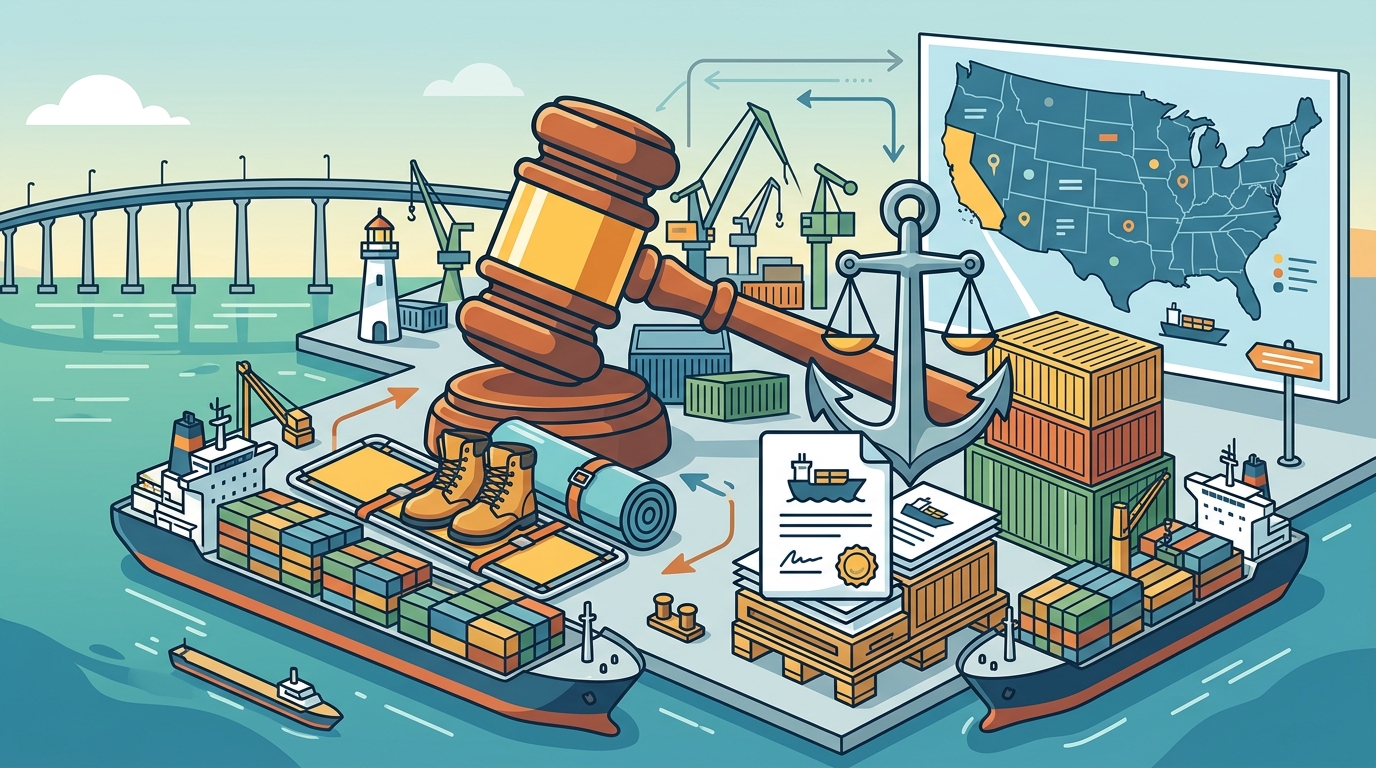
Maritime workers in Southern California face a variety of risks. Common injuries include back injuries, broken bones, and traumatic brain injuries. These injuries often result from falls, equipment malfunctions, or being struck by heavy objects. The severity of these injuries can lead to long-term disability or even death.
Longshore Act claims often involve complex medical evidence. Proving the extent of your injury and its impact on your ability to work is crucial. Our attorneys work with medical experts to build a comprehensive case. We ensure that all your medical expenses are covered and that your future earning capacity is accounted for.
Other common claims include cases involving hazardous materials exposure. Workers in shipyards and ports may be exposed to toxic substances that cause long-term health issues. These cases require specialized knowledge of environmental law and maritime regulations. Benner Law Firm has the expertise to handle these complex claims.
We also handle wrongful death claims for families of maritime workers. Losing a loved one in a maritime accident is devastating. Our team provides compassionate support during this difficult time. We work to secure compensation for funeral expenses, loss of income, and emotional distress.
Key Takeaways
- The Longshore and Harbor Workers' Compensation Act (LHWCA) provides federal benefits to maritime workers injured on navigable waters or land-based maritime premises.
- Craig Benner is a specialized attorney at Benner Law Firm who handles both Defense Base Act and Longshore Act cases in San Diego and Southern California.
- DBA cases have zero contingency fees due to statutory fee-shifting, while Longshore Act cases typically operate on a contingency fee basis.
- San Diego is a major hub for maritime activity, creating a high demand for specialized legal representation in this region.
- Distinguishing between the Jones Act and LHWCA is critical, as it determines your right to sue for negligence and the types of damages available.
- Common injuries in this field include back injuries, traumatic brain injuries, and exposure to hazardous materials.
- Benner Law Firm offers free strategy sessions to help injured workers understand their rights and options.
Frequently Asked Questions
Who qualifies for Longshore Act benefits in San Diego?
Workers who are injured on navigable waters of the United States or on adjacent piers, docks, and marine railways qualify. This includes longshoremen, harbor workers, and shipbuilders in the San Diego area.
How long do I have to file a Longshore Act claim?
You must notify your employer of the injury within 30 days. However, the formal claim process has stricter deadlines. It is crucial to consult with an attorney immediately to ensure all deadlines are met.
Can I sue my employer under the Longshore Act?
Generally, no. The LHWCA provides no-fault benefits. However, you may be able to sue third parties, such as equipment manufacturers or other contractors, who contributed to your injury.
What is the difference between the Jones Act and the Longshore Act?
The Jones Act applies to seamen who spend most of their time on vessels. The Longshore Act applies to maritime workers who are not seamen, such as those working on docks or in shipyards.
Does Benner Law Firm handle Longshore Act cases?
Yes, Craig Benner and the team at Benner Law Firm specialize in Longshore Act cases, as well as Defense Base Act and personal injury claims.
How much does it cost to hire a Longshore Act attorney?
Benner Law Firm typically works on a contingency fee basis for Longshore Act cases. This means you do not pay unless we recover compensation for you.
What types of injuries are covered?
The LHWCA covers a wide range of injuries, including physical trauma, occupational diseases, and mental health conditions resulting from workplace accidents.
Schedule Your Free Strategy Session
If you have been injured while working in the maritime industry, do not wait to seek legal help. The sooner you contact an attorney, the better we can protect your rights. Benner Law Firm offers free strategy sessions to discuss your case and explain your options.
Contact us today to schedule your consultation. We are here to help you navigate the complexities of maritime law and secure the compensation you deserve. Visit our Contact Us page or call Benner Law Firm directly to get started.