

Private security specialists face some of the most dangerous working conditions of any civilian profession. Whether you guard a U.S. military installation overseas or protect assets on a domestic job site, a serious injury can leave you unable to work and buried in medical bills. The good news is that federal law provides a path to compensation, but successfully filing a claim requires knowing which program applies, meeting strict deadlines, and gathering the right evidence. This guide walks you through every step so you can protect your rights and pursue the benefits you deserve.
What Is Workers' Compensation for Private Security Specialists?
Workers' compensation is a system of insurance that pays medical expenses and lost wages to employees who are injured on the job. For private security specialists working overseas on U.S. government contracts, the relevant program is usually the Defense Base Act (DBA). The DBA is a federal workers' compensation program in which private employers and their insurance firms provide worker benefits, governed and administered by the United States Department of Labor.
A private security specialist is a civilian professional hired to provide armed or unarmed protection services, often on military bases, diplomatic compounds, or other government facilities. These workers face threats of bodily injury regularly, often resulting in serious harm or even death.
Defense Base Act vs. State Workers' Compensation
Many injured security workers are unsure whether to file under a state workers' compensation system or the federal DBA. The distinction matters because state workers' compensation rules typically do not apply to injuries sustained while working overseas for the U.S. government. The table below highlights the key differences.
| Feature | Defense Base Act (DBA) | State Workers' Compensation |
|---|---|---|
| Governing Authority | U.S. Department of Labor | State workers' comp board |
| Coverage Scope | Overseas U.S. military bases and government contract sites worldwide | Injuries occurring within state borders |
| Pain & Suffering | Not available under DBA alone | Varies by state |
| Wage Replacement | Approximately two-thirds of average weekly wage | Varies by state (typically 60-70%) |
| Filing Deadline | 1 year from date of injury | Varies (often 1-2 years) |
| Attorney Fees | Fee-shifting; insurer may pay under Section 928 | Typically contingency or hourly |
If you worked on a U.S. military base overseas or on a government contract site, the DBA almost certainly applies. For security specialists injured locally in California, state workers' compensation or a personal injury claim may be the appropriate route.
Who Is Eligible to File a Claim?
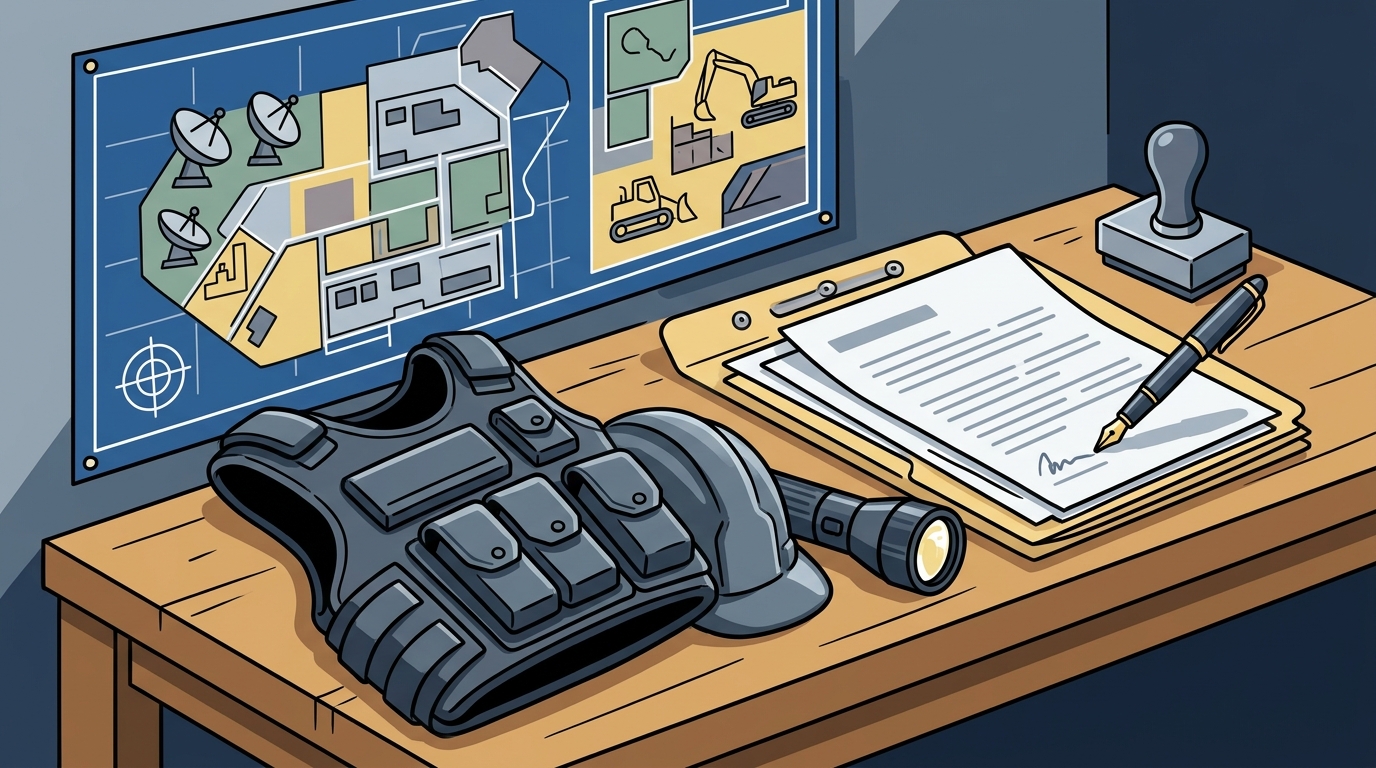
The Defense Base Act covers employees working for private employers on U.S. military bases or any lands used by the United States for military purposes outside of the country. This applies to all employees regardless of nationality. Common roles that fall under DBA protection include armed security guards, static and mobile patrol personnel, personal protection detail members, and surveillance operators.
Covered Employment Activities
The DBA extends to workers on public works contracts with any U.S. government agency, contracts funded under the Foreign Assistance Act, and those employed on military installations abroad. If you provided security services under any of these circumstances, you likely qualify.
Types of Qualifying Injuries
There are two broad categories of injuries for which you can file a claim: specific injuries and cumulative trauma. A specific injury is one that results from a single, isolated work-related incident, such as an assault or a vehicle accident. Cumulative trauma is a condition that develops gradually over time, such as PTSD or repetitive stress injuries. Both physical and psychological injuries like PTSD qualify for workers' compensation benefits under the DBA.
Step-by-Step: Filing Your Claim
1. Seek Immediate Medical Attention
If you get injured on the job, the first thing you need to do is seek medical help immediately. Many people delay treatment when injuries do not seem severe, but underlying conditions can worsen rapidly. Thorough medical documentation will also strengthen your claim later.
2. Report the Injury to Your Employer
Under Section 12 of the Longshore and Harbor Workers' Compensation Act (LHWCA), you must give written notice of your injury to your employer within 30 days of the date of injury. Your employer must then file an Employer's First Report of Injury (Form LS-202) within ten days if you have missed one or more shifts. Always keep copies of every form submitted.
3. File Your Formal Claim
You have one year from the date of your injury to file a formal claim with the U.S. Department of Labor using Form LS-203. This filing is the first official step to initiate your DBA case. If your employer or insurance company fails to file the correct forms on their end, the statutory time limit may be tolled.
For injuries that develop gradually, such as hearing loss or PTSD, the one-year clock typically starts from the date you knew or should have known the condition was work-related.
Benefits Available to Injured Security Specialists
A successful DBA claim can provide several categories of benefits. Medical benefits cover all necessary expenses, including doctor visits, surgeries, prescriptions, physical therapy, and rehabilitation. Wage replacement benefits pay approximately two-thirds of your average weekly wage until you return to work or reach maximum medical improvement.
Disability benefits fall into four types: temporary total, temporary partial, permanent total, and permanent partial. If a security specialist is killed in the line of duty, surviving dependents may receive death benefits, including a percentage of the deceased's average weekly wage and funeral expense coverage.
Common Challenges and How to Overcome Them
Insurance companies frequently attempt to delay or minimize compensation for DBA claims. Common tactics include disputing the severity of your injury, questioning the credibility of medical evidence, or dragging out negotiations. Filing a claim without legal help often leads to costly mistakes and denied benefits.
Having a knowledgeable DBA attorney on your side is one of the most effective ways to counter these strategies. Your lawyer can investigate the incident, submit all required documentation on time, and represent you before an administrative law judge if needed. Importantly, under the DBA's fee-shifting mechanism (Section 928), the insurance company may be required to pay your attorney fees, meaning you should not have to pay out of pocket.
Key Takeaways
- Private security specialists injured overseas on U.S. government contracts are typically covered by the Defense Base Act, not state workers' compensation.
- You must notify your employer in writing within 30 days of your injury and file a formal claim (Form LS-203) within one year.
- Both physical injuries and psychological conditions like PTSD qualify for DBA benefits.
- DBA wage replacement benefits pay roughly two-thirds of your average weekly wage.
- Insurance companies frequently deny or delay claims; legal representation significantly improves outcomes.
- Under the DBA's fee-shifting rules, you may not have to pay attorney fees out of pocket.
- Acting quickly to get medical treatment and document evidence is critical to a successful claim.
Frequently Asked Questions
What is the Defense Base Act?
The Defense Base Act is a federal workers' compensation program that provides medical and income benefits to civilian employees injured while working on overseas U.S. military bases or government contract sites. It is an extension of the Longshore and Harbor Workers' Compensation Act.
Do I qualify for DBA benefits as a private security specialist?
If you worked as a security specialist for a private employer on a U.S. military base or government facility outside the United States, you are likely covered under the DBA regardless of your nationality.
How long do I have to file a DBA claim?
You must provide written notice to your employer within 30 days of your injury and file a formal claim with the Department of Labor within one year. Certain circumstances, such as gradually developing conditions, may extend these deadlines.
Can I file a DBA claim for PTSD?
Yes. Psychological injuries such as anxiety, depression, and post-traumatic stress disorder qualify for workers' compensation benefits under the Defense Base Act, whether they arise from a single traumatic event or cumulative stress.
What benefits can I receive under the DBA?
Benefits may include full medical treatment coverage, temporary or permanent disability payments, lost wage compensation at approximately two-thirds of your average weekly wage, and death benefits for surviving dependents.
Will I have to pay attorney fees?
Under the DBA's fee-shifting provision (Section 928), the insurance company may be legally required to pay your attorney fees if your lawyer secures benefits that were previously refused. Reputable DBA attorneys should never charge the injured worker directly.
What if my DBA claim is denied?
If your claim is denied, you have the right to appeal to the Department of Labor's Office of Workers' Compensation Programs. An experienced DBA attorney can prepare an appeal, gather additional evidence, and represent you at a hearing before an administrative law judge.
Can I file a claim after returning to the United States?
Yes. You can file a DBA claim after returning home, as long as you are still within the legal deadlines. Many contractors do not realize the full extent of their injuries until they are back in the U.S.
Get Legal Help for Your Security Specialist Injury Claim
If you or a loved one has been injured while working as a private security specialist, do not face the insurance company alone. The experienced Defense Base Act attorneys at Benner Law Firm have helped injured contractors recover the compensation they deserve. Contact us today at 714-497-2544 for a free consultation to discuss your claim and learn about your legal options.