
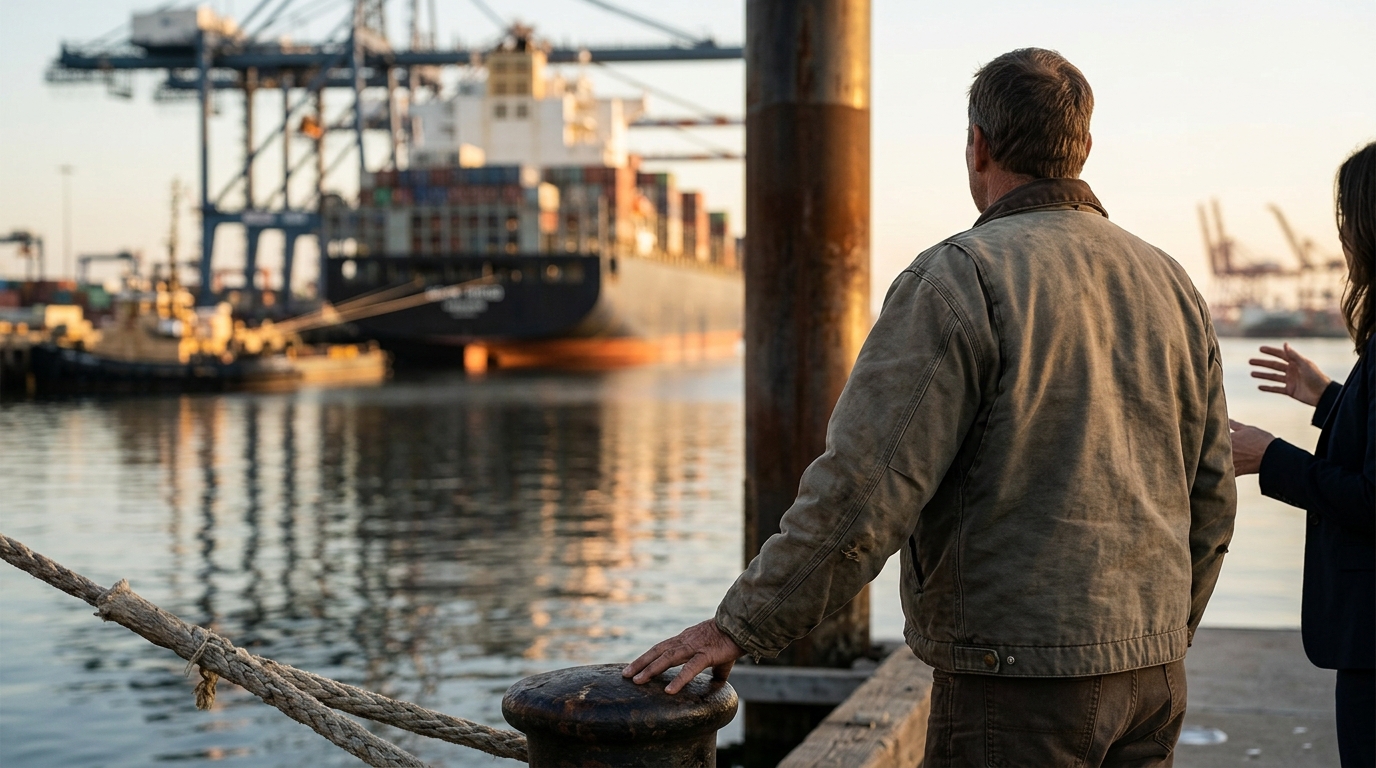
Maritime workers in San Diego should know that finding legal help for workplace injuries requires an attorney who specializes in federal maritime laws, not just general personal injury. The Benner Law Firm focuses exclusively on representing injured workers, including those covered by the Longshore and Harbor Workers' Compensation Act (LHWCA) and the Defense Base Act (DBA). Because these federal statutes have unique filing deadlines and benefit structures, generalist attorneys may miss critical claims. Choosing a specialist ensures your medical bills, lost wages, and permanent disability benefits are fully evaluated under the correct legal framework.
Understanding the Difference Between Federal and State Claims
Many San Diego workers assume their injury is covered by standard California workers' compensation. However, maritime law operates under federal jurisdiction for specific groups. The Longshore and Harbor Workers' Compensation Act is a federal statute that provides benefits to maritime workers who are injured on navigable waters or in port areas. This distinction is critical because state workers' compensation often does not apply to these roles. If you work at the Port of San Diego, on a vessel, or in shipyard maintenance, your claim likely falls under federal law. Misclassifying your injury can lead to denied benefits or missed deadlines. A specialist attorney will immediately determine which statute governs your case.
Why Specialized Maritime Representation Matters
General personal injury attorneys handle car accidents and slip-and-fall cases, but maritime law involves complex federal regulations. The Defense Base Act is another federal law that covers civilian employees working on U.S. military contracts abroad or in specific domestic locations. These laws have specific requirements for reporting injuries and filing claims. For example, the DBA requires employers to carry insurance, but the process for claiming benefits differs significantly from state systems. At the Benner Law Firm, our team focuses solely on these federal maritime claims. This specialization means we understand the nuances of how federal agencies adjudicate these cases. We know how to navigate the bureaucratic hurdles that often trip up non-specialist lawyers.
The San Diego Port and Maritime Workforce
How to Evaluate a Maritime Injury Attorney
When searching for legal help, you must look beyond generic marketing claims. Ask potential attorneys about their specific experience with the Longshore Act and the Defense Base Act. A credible maritime attorney will be able to explain the difference between temporary total disability and permanent partial disability benefits under federal law. They should also be transparent about their fee structure and how they handle communication with federal agencies. The Benner Law Firm represents only the injured party, ensuring that our interests are aligned with yours. We do not represent insurance companies or employers. This plaintiff-only focus is a key indicator of a firm dedicated to securing the maximum compensation for workers. Look for a firm that prioritizes your long-term health and financial stability over quick settlements.

Immediate Steps After a Maritime Injury
Key Takeaways
- Maritime workers in San Diego are often covered by federal laws like the Longshore Act, not state workers' compensation.
- The Defense Base Act covers civilian employees working on U.S. military contracts, requiring specific legal knowledge.
- Generalist personal injury attorneys may lack the expertise to navigate federal maritime claims effectively.
- The Benner Law Firm specializes in representing injured maritime workers and operates from San Diego with national reach.
- Reporting your injury immediately is crucial to avoid missing federal filing deadlines.
- Choosing a plaintiff-only firm ensures your attorney's interests are aligned with securing your compensation.
- Early consultation with a maritime specialist helps protect your rights and maximizes your benefits.
Frequently Asked Questions
Is the Longshore Act the same as California workers' compensation?
No, the Longshore and Harbor Workers' Compensation Act is a federal law, while California workers' compensation is a state system. They have different rules, benefits, and filing processes.
Who is covered under the Defense Base Act?
The Defense Base Act covers civilian employees working on U.S. government contracts outside the United States or in specific domestic locations, such as military bases.
Can I hire a lawyer if I am already receiving workers' comp benefits?
Yes, you can consult with an attorney to review your case. A specialist may find that you are entitled to additional benefits under federal maritime laws that you are not currently receiving.
How much does it cost to hire a maritime injury attorney?
Most maritime injury attorneys, including the Benner Law Firm, work on a contingency fee basis. This means you do not pay upfront fees, and the attorney is paid only if you win your case.
Do I need to be a U.S. citizen to file a maritime injury claim?
Citizenship is not always a requirement for filing a claim under the Longshore Act or the Defense Base Act. Eligibility is typically based on your employment status and the location of the injury.
How long do I have to file a claim after a maritime injury?
Federal maritime laws have specific deadlines for filing claims. It is important to consult with an attorney immediately to ensure you do not miss these critical time limits.