

Federal employment offers stability and comprehensive benefits, but it also introduces a unique layer of bureaucratic complexity when workplace injuries occur. The Federal Employees' Compensation Act (FECA) is the primary vehicle for recovering medical costs and wage loss for these injuries. However, navigating the Office of Workers' Compensation Programs (OWCP) is not straightforward. According to recent administrative data, a significant percentage of initial FECA claims are either delayed or denied due to procedural errors rather than a lack of merit in the injury itself. Understanding the specific pitfalls of this system is critical for protecting your financial future and health. (San Diego DBA amp)
Timing Errors and Reporting Deadlines
One of the most critical aspects of filing a FECA claim is adhering to strict statutory deadlines. Federal employees often underestimate the urgency of reporting an injury. The law requires that you notify your supervisor of a traumatic injury within 30 days. For occupational diseases or repetitive trauma, the window is even tighter, often requiring notification within three years of the last work-related exposure.
Delaying this notification can result in the loss of wage loss benefits for the period between the injury and the report. While medical benefits may still be covered, the financial impact of lost wages can be devastating. It is essential to document the date and time of the injury and the date of notification to your supervisor. This creates a paper trail that establishes the timeline of events, which is crucial for any subsequent appeals.
Another common timing mistake involves the submission of medical reports. OWCP requires timely updates on your condition. If you fail to submit these reports within the specified timeframe, your wage loss compensation may be suspended. This is not a minor administrative oversight; it is a direct cause of benefit interruption. Ensure that your healthcare providers understand the specific requirements of FECA forms and submit them promptly.
Inadequate Medical Evidence and Form CA-16
The backbone of any successful FECA claim is robust medical evidence. A frequent error is relying on general medical records that do not explicitly link the condition to workplace activities. OWCP adjudicators need clear, detailed narratives from treating physicians that explain how the work environment contributed to the injury or illness.
Form CA-16 is the authorization for medical treatment. Employees often fail to ensure this form is properly completed and submitted before seeking care, or they do not understand that OWCP must authorize specific treatments for them to be covered. Without proper authorization, you may be responsible for the bill. Furthermore, the medical evidence must detail the extent of the disability. Vague descriptions like "back pain" are insufficient. The physician must specify the functional limitations, such as the inability to lift more than 10 pounds or the need for frequent rest breaks.
Additionally, employees often neglect to provide a complete work history to their doctors. If your physician is unaware of the specific physical or mental demands of your job, they cannot accurately describe the causal relationship between your work and your injury. This gap in information can lead to a denial of the claim based on insufficient evidence. Ensure your medical providers have all the necessary details about your job duties to build a strong case.
Misunderstanding Work Status and Earnings
Reporting your work status and earnings accurately is another area where federal employees frequently stumble. If you return to work, even in a limited capacity, you must report your actual earnings to OWCP. Many employees mistakenly believe they can continue to receive full wage loss benefits while working part-time or on light duty. This is incorrect and can be considered fraud.
OWCP calculates wage loss benefits based on the difference between your pre-injury earnings and your post-injury earnings. If you underreport your income, you may be required to repay the overpayment, often with interest. Conversely, if you overreport your earnings, you may receive less than you are entitled to. It is vital to keep detailed records of your hours worked, pay stubs, and any overtime or bonus income.
Another common mistake is failing to report changes in your medical condition. If your health improves and you are able to return to full duty, you must notify OWCP immediately. Continuing to claim disability benefits when you are no longer disabled is a serious violation of FECA regulations. Transparency is key to maintaining your benefits and avoiding legal complications.
Poor Communication with OWCP and Employers
Effective communication is often overlooked in the stress of dealing with an injury. Federal employees may assume that their agency's human resources department is handling everything. However, the agency's role is primarily administrative. The actual adjudication of your claim is done by OWCP, a federal agency independent of your employer.
Failure to maintain regular contact with OWCP can lead to missed deadlines or requests for information. If OWCP sends a letter requesting additional evidence and you do not respond, your claim may be denied by default. It is crucial to keep a copy of all correspondence and to respond to requests promptly. Do not ignore any communication from OWCP, even if it seems routine.
Similarly, maintaining open lines of communication with your supervisor is important. Your employer is required to provide certain forms and support, but they are not your legal advocate. They have their own interests in managing workers' compensation costs. Ensure that you are the one driving the process and keeping track of your claim status. Do not rely solely on your employer to update OWCP on your behalf.
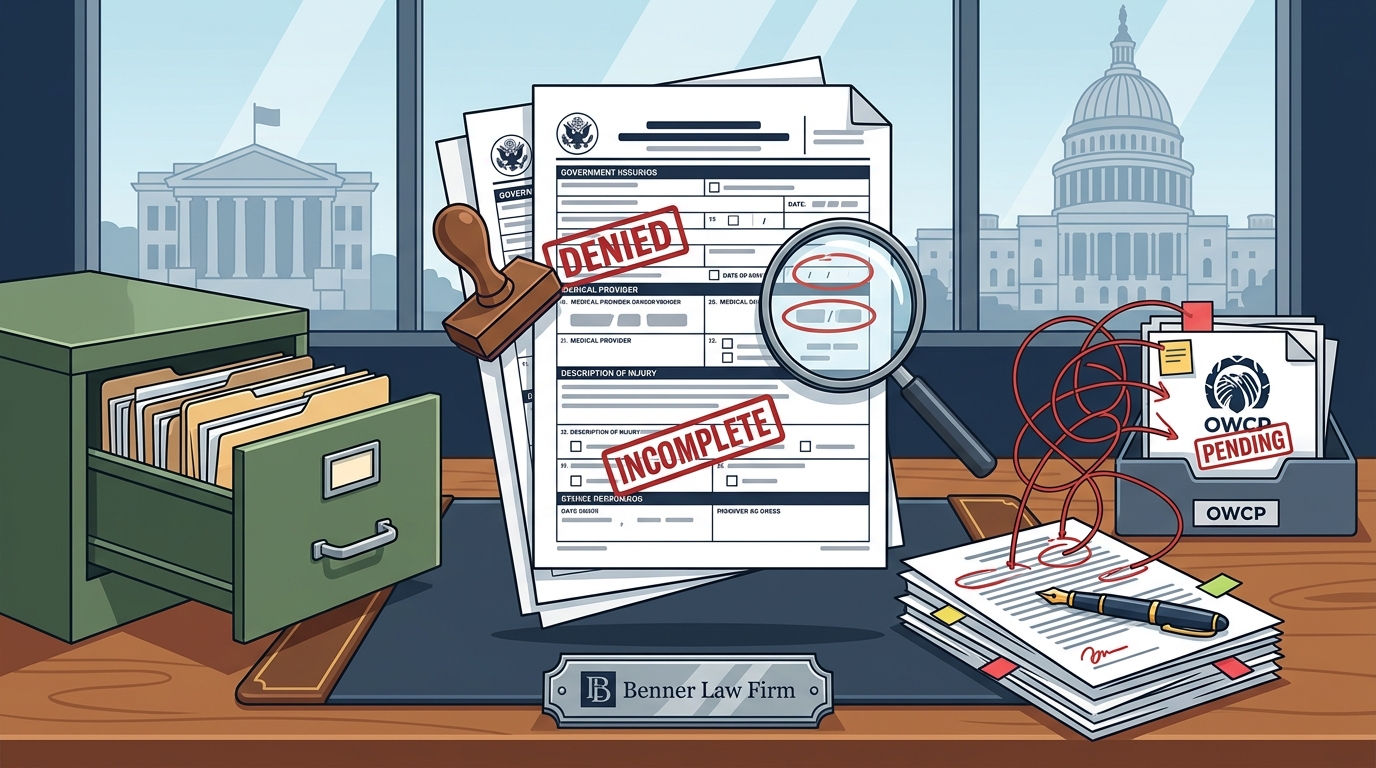
Failing to Secure Specialized Legal Counsel
Perhaps the most significant mistake federal employees make is attempting to navigate the FECA system alone. The legal landscape of workers' compensation is complex and constantly evolving. While you have the right to represent yourself, the odds are stacked against you when facing experienced OWCP adjudicators and insurance carriers.
Specialized legal counsel can identify issues in your claim that you might miss, ensure all forms are correctly filed, and advocate for your rights during hearings. Attorneys who specialize in FECA claims understand the nuances of the law and the specific requirements of OWCP. They can help you gather the necessary medical evidence, negotiate with insurance carriers, and appeal denials effectively.
It is important to note that FECA allows for the payment of attorney fees by the insurance carrier if you prevail in your claim. This means that hiring a qualified attorney does not necessarily come out of your settlement. For more information on how attorney fees are handled in complex injury cases, you can explore resources on attorney fees and representation strategies. Benner Law Firm specializes in navigating these complex legal landscapes, ensuring that federal employees receive the full benefits they are entitled to. You can learn more about our approach to Defense Base Act and federal injury claims by visiting our about Craig Benner page.
Key Takeaways
- Report Immediately: Notify your supervisor of traumatic injuries within 30 days to preserve wage loss benefits.
- Document Everything: Keep detailed records of all medical visits, communications with OWCP, and work status changes.
- Link Injury to Work: Ensure your medical providers explicitly connect your condition to your job duties in their reports.
- Report Earnings Accurately: Disclose all post-injury income to avoid overpayment and potential fraud allegations.
- Respond to OWCP: Never ignore correspondence from OWCP; respond to requests for information promptly.
- Seek Specialized Counsel: Consult with attorneys experienced in FECA to navigate the complex claims process effectively.
- Understand Fee Shifting: Attorney fees may be paid by the insurance carrier if you prevail, reducing the financial barrier to legal help.
Frequently Asked Questions
What is the deadline for reporting a federal workplace injury?
You must notify your supervisor of a traumatic injury within 30 days of the incident. For occupational diseases, you generally have three years from the last work-related exposure to file a claim.
Can I be denied FECA benefits if I have a pre-existing condition?
No, you can still receive benefits if your work duties aggravated or worsened a pre-existing condition. However, you must provide medical evidence linking the aggravation to your work.
How are FECA attorney fees paid?
If you win your case, the insurance carrier is typically responsible for paying reasonable attorney fees. You do not have to pay your attorney out of your settlement in most successful cases.
What happens if I return to work while on FECA benefits?
You must report your actual earnings to OWCP. Your wage loss benefits will be adjusted based on the difference between your pre-injury and post-injury earnings.
Can I choose my own doctor for FECA treatment?
Yes, you have the right to choose your own treating physician. However, OWCP must authorize specific treatments and procedures for them to be covered under the act.
What is Form CA-16 used for?
Form CA-16 is the authorization for medical treatment. It allows you to seek medical care for your work-related injury and ensures that OWCP will cover the costs.
How long does the FECA claims process take?
The timeline varies depending on the complexity of the case. Simple claims may be resolved in a few months, while complex cases involving appeals can take years.
Secure Your Future with Expert Legal Guidance
Navigating the FECA system requires precision, knowledge, and persistence. One mistake can jeopardize your entire claim and your financial stability. Do not face the complexities of federal workers' compensation alone. Benner Law Firm is dedicated to championing justice for federal employees and civilian contractors alike. We provide the strategic legal support you need to secure the benefits you deserve.
Contact us today to schedule a free strategy session. Visit our contact page or call us directly to discuss your case. Let us help you navigate the path to recovery and compensation.