

How to Choose the Right Lawyer for a Work-Related Injury Case
Suffering a work-related injury can upend your life in an instant. Between mounting medical bills, lost wages, and the stress of navigating complex claims, the last thing you need is the wrong legal representation. According to the U.S. Bureau of Labor Statistics, employers reported 2.5 million nonfatal workplace injuries and illnesses in 2024 alone. With so much at stake, choosing the right attorney is one of the most important decisions you will make during your recovery. This guide walks you through the key factors to evaluate so you can find a lawyer who truly fights for your best interests.
Why the Right Lawyer Matters After a Work Injury
Insurance companies and employers often look for ways to minimize, delay, or deny payments after a workplace accident. A qualified work injury attorney levels the playing field by gathering evidence, filing claims correctly, and negotiating aggressively on your behalf.
A workers' compensation lawyer is an attorney who specializes in helping injured employees obtain benefits such as medical treatment coverage, lost wages, and disability payments. Without one, you risk accepting a settlement far below what you deserve or missing critical filing deadlines altogether.
The Financial Impact of Going It Alone
Many accident victims do not have the time or energy to gather all necessary documentation and end up forfeiting compensation. A typical serious workplace injury results in more than eight median days away from the job, according to the National Safety Council. Those lost days add up fast when bills keep arriving.
Understanding Different Types of Work Injury Claims
Not all work injuries fall under a single legal framework. The type of claim you file depends on your employment status, where you were injured, and the nature of your work.
Workers' Compensation vs. Personal Injury
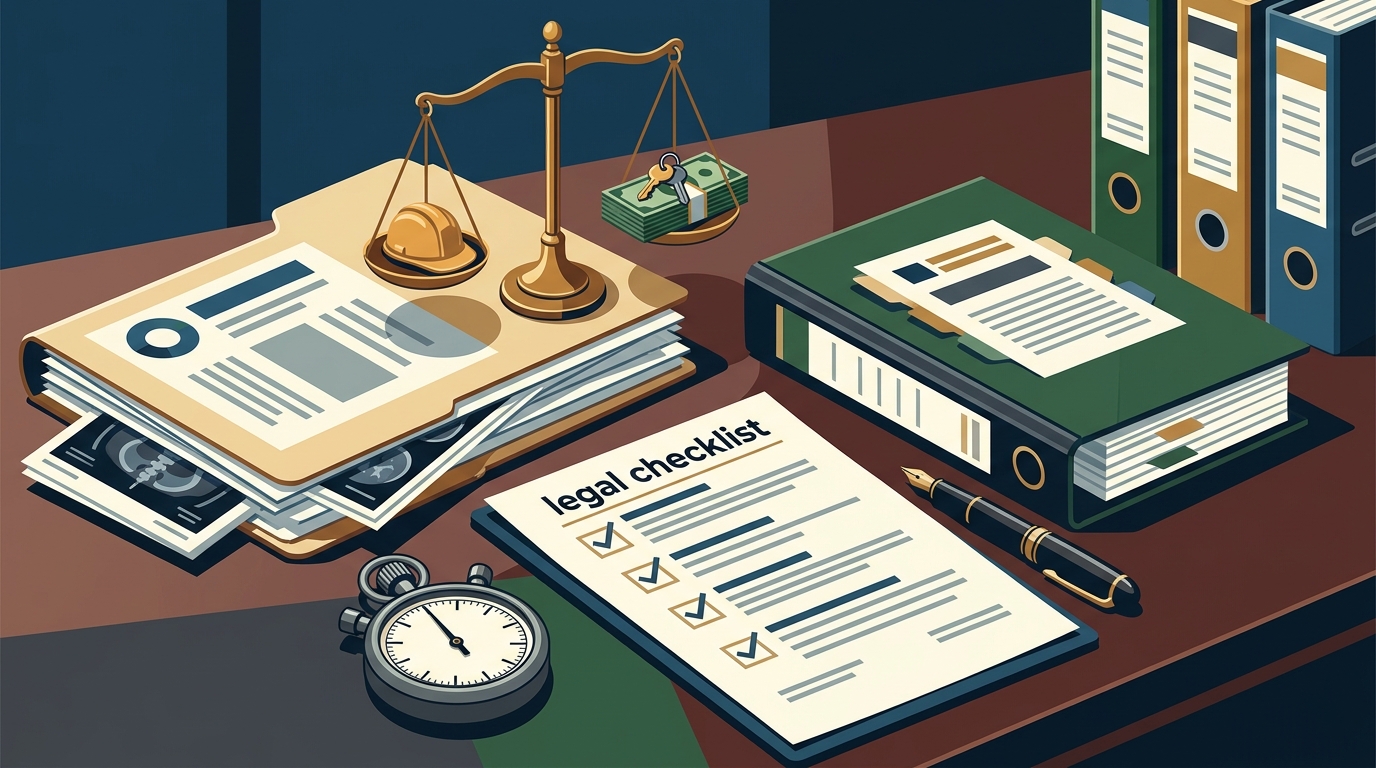
A workers' compensation claim is a no-fault insurance benefit provided by your employer's insurer, covering medical bills and partial lost wages. A personal injury claim, by contrast, requires proving another party's negligence and can include compensation for pain and suffering. Some cases involve both. If your injury was caused by a third party such as a contractor or equipment manufacturer, you may need a catastrophic injury attorney to pursue additional damages.
Federal Programs: The Defense Base Act and Longshore Act
Civilian contractors injured on overseas military bases are covered under the Defense Base Act (DBA), a federal workers' compensation program. Similarly, maritime employees injured on navigable waters or adjoining areas may file claims under the Longshore and Harbor Workers' Compensation Act. These federal programs have unique rules and deadlines that general practice attorneys may not understand.
Key Qualities to Look for in a Work Injury Lawyer
Choosing the right attorney requires evaluating several factors. Here are the most important qualities to prioritize.
Specialization and Track Record
Look for an attorney who focuses specifically on workplace injuries and has a proven history of favorable outcomes. A specialized lawyer understands the nuances of workers' compensation law, DBA benefits, and personal injury litigation. Ask about verdicts and settlements in cases similar to yours.
Communication and Accessibility
Your attorney should explain complex legal concepts in plain language and keep you informed at every stage. Firms like Benner Law Firm provide online client portals and personal telephone lines to ensure you always have direct access to your legal team.
Compassion and Client-Centered Service
A contingency fee arrangement is a payment structure in which the attorney collects a fee only if they win your case. This means you pay nothing upfront. Beyond finances, choose someone who genuinely cares about your recovery and treats you with respect.
Questions to Ask During a Free Consultation
Most work injury attorneys offer a free initial consultation. Use this meeting to evaluate fit and expertise. Key questions include:
- How many workplace injury cases have you handled?
- What is your success rate with claims similar to mine?
- Will you personally handle my case or delegate it?
- What percentage do you charge on a contingency basis?
- How will you keep me updated on my case progress?
- Have you handled DBA claims or federal workers' compensation cases?
Pay attention to how the attorney responds. If they seem bothered by your questions or make unrealistic promises about settlement amounts, consider it a warning sign.
Red Flags to Watch Out For
Not every lawyer advertising workplace injury services will serve you well. Watch for these warning signs:
- Guaranteed outcomes: No ethical attorney can promise a specific dollar amount.
- Poor communication: If they are hard to reach before you sign, it will only get worse.
- No specialization: A general practitioner may lack the depth needed for complex injury claims.
- High-pressure tactics: Reputable lawyers give you time to decide without pressuring you to sign immediately.
Comparing Lawyer Options at a Glance
| Factor | Specialized Work Injury Lawyer | General Practice Attorney |
|---|---|---|
| Knowledge of workers' comp law | Deep, case-specific expertise | Broad but limited depth |
| Experience with insurers | Extensive negotiation history | Occasional exposure |
| Federal claims (DBA, LHWCA) | Familiar with federal processes | Rarely handles these cases |
| Fee structure | Typically contingency-based | May charge hourly rates |
| Trial readiness | Prepared to litigate if needed | May prefer quick settlements |
| Client communication | Dedicated portals, direct lines | Varies widely |
Key Takeaways
- The right lawyer can significantly increase your chances of securing full compensation for a work injury.
- Specialization matters: choose an attorney experienced in workers' compensation, DBA, or personal injury law.
- Always take advantage of free consultations to evaluate communication style and case fit.
- In 2024, U.S. employers reported 2.5 million nonfatal workplace injuries, underscoring how common these cases are.
- Contingency fee arrangements mean you pay nothing unless your attorney wins.
- Federal claims under the Defense Base Act and Longshore Act require attorneys with specific federal expertise.
- Red flags like guaranteed outcomes and poor responsiveness should prompt you to keep searching.
Frequently Asked Questions
What does a work injury lawyer do?
A work injury lawyer helps injured employees file workers' compensation claims, negotiate with insurance companies, gather medical evidence, and represent clients in hearings or trials to secure maximum benefits.
How much does a work injury attorney cost?
Most work injury attorneys work on a contingency fee basis, meaning they only get paid when you receive a settlement or award. You typically owe nothing out of pocket upfront.
When should I hire a lawyer after a workplace injury?
You should consult an attorney as soon as possible after your injury, especially if your claim is denied, your injuries are severe, or your employer retaliates against you for filing. Early legal help preserves critical evidence.
Can I file both a workers' comp claim and a personal injury lawsuit?
Yes. If a third party such as a contractor or equipment manufacturer contributed to your injury, you may be able to pursue a separate personal injury case in addition to your workers' compensation claim.
What is the Defense Base Act?
The Defense Base Act is a federal workers' compensation program that covers civilian contractors injured while working on U.S. military bases overseas. It provides medical and income benefits and is administered by the U.S. Department of Labor.
How long do I have to file a work injury claim?
Deadlines vary by state and claim type. In California, the statute of limitations for personal injury is two years. For DBA claims, you generally have one year from the date of injury to file with the Office of Workers' Compensation Programs.
What should I bring to my first consultation?
Bring your medical records, incident reports, photos of the accident scene, correspondence from your employer or insurer, and any documentation of lost wages. The more information you provide, the better your attorney can evaluate your case.
What if my workers' compensation claim is denied?
A denied claim is not the end of the road. An experienced work injury attorney can help you appeal the decision, gather additional evidence, and represent you at hearings to fight for the benefits you deserve.
Get Help From an Experienced Work Injury Attorney
If you or a loved one has been injured on the job, do not navigate the claims process alone. The legal team at Benner Law Firm has years of experience representing injured workers in Defense Base Act claims, longshore cases, and personal injury lawsuits throughout San Diego and beyond. Contact Benner Law Firm today to schedule your free strategy session and take the first step toward the compensation you deserve.